
A manufacturer wins a major contract. Production requirements for the month increase, yet the factory isn’t gaining floors, employees with experience, or hours in the daytime. While adding another shift may temporarily aid, it might also create new jobs, supervision, training and demands for quality-control.
This scenario reveals the primary need for robotic automation. Robotics isn’t only about replacing humans with machines. It’s a tool that can alter the method by which manufacturers use their existing production capacity.
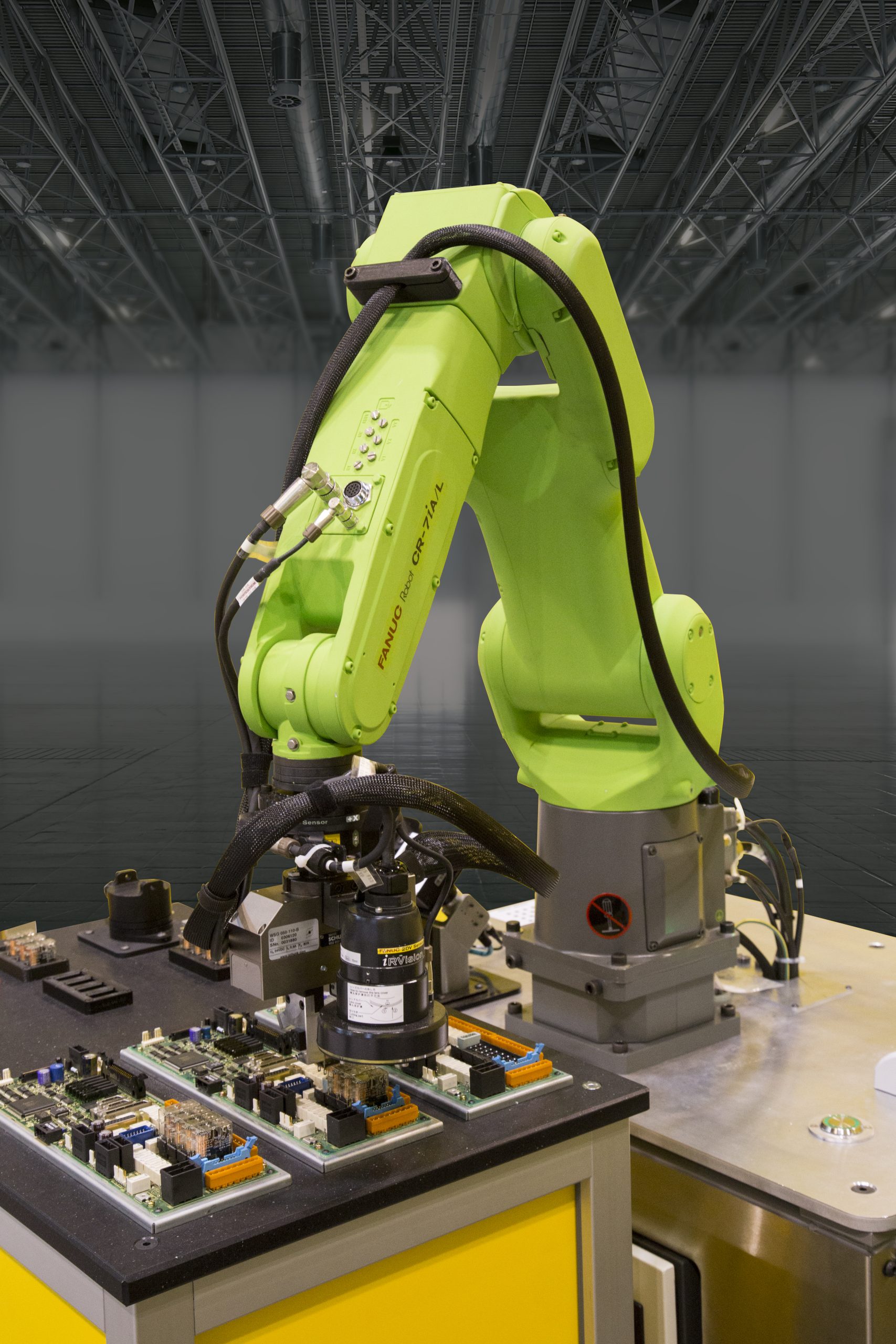
Image credit: automatedsolutions.com.au
Check out the minutes that vanish between products
Manufacturing inefficiency doesn’t need to be dramatic. A worker may take 15 seconds positioning the component, then 10 seconds applying materials, and a few more seconds moving it to the next step. The time difference could seem minor even for a single piece of equipment. When repeated a thousand times these seconds can increase production by a significant amount.
This is also true of wasted material. The same is true for waste material.
Companies considering robotic automation Australia projects can benefit from examining these small, repeated losses before deciding what equipment they need. ASA’s needs analysis is designed to identify bottlenecks, problems with quality, waste as well as other limitations to process that can affect an automation project.
A Robot Has to Fit the Process Itself
A robot is just one of many engineering decisions. It could be necessary to add tooling, guarding and controls, sensors, conveyers, fixtures, electronic integration, and communications with the existing production equipment. Engineers should take into consideration the payload, reach and range as well as how the robot is going to move and interact in the environment.
ASA offers conceptual development, design of systems and offline programming in its method of robotic automation. Engineers can explore system configurations and estimate cycles before the finished system is installed in the factory floor. It’s particularly useful in situations where there is a restricted amount of space or the new robotics is required to be integrated with a production line.
Painting and Dispensing demonstrates why Repeatability Matters
Certain manufacturing processes show the importance of controlled movement especially well. Imagine applying a coating to hundreds of components. It’s not just about completing the components quickly is the desired outcome. The motion, distance, speed, and application have to be monitored starting from the beginning of the production process until the end.
The ASA specialists are skilled in painting and dispensing across industries including aerospace and automotive. In these areas, industrial robotic automation allows for the ability to repeat, programmed, and controlled movements. It also reduces exposure of employees to potentially hazardous processes.
Better control of waste material can also aid in productivity improvement by cutting down on the amount of waste material used.
The installation of the system isn’t enough. It is still necessary to have people to maintain it.
Automation does not eliminate the need for manufacturing expertise. The abilities needed to operate, maintain, and manage the process are changing.
Employees need to be trained to use equipment safely, identify abnormal behavior as well as troubleshoot components that are malfunctioning and take care of any maintenance that is required. The production needs can change with time, which means that procedures and protocols will have to be modified.
ASA provides training on site in safe operation, programming and troubleshooting. It also offers mechanical and electrical maintenance. The company offers ongoing maintenance and services to ensure that the equipment is in top repair and wear and tear issues are addressed.
Capacity is more than just working faster
A rise in capacity for Australian manufacturers doesn’t always require the purchase of a larger building or adding more labor on repetitive processes. Sometimes the better question is whether the present manufacturing process could be designed differently.
ASA has been creating and integrating automation solutions since 2002. It has assisted companies in Australia and projects in other countries. Its methodology combines the analysis of requirements as well as engineering, simulations FANUC robotic integration and training as well as maintenance.
Automating just for the sake of it isn’t the objective. A system that is worth its weight in gold will bring tangible benefits to manufacturers, for example greater reliability, higher quality manufacturing processes, and safer ones. It also means less waste.