
A receipt from a restaurant shows that a client ordered a number of alcohol-based drinks. The patron was involved in a major car accident shortly after the incident. If an attorney is investigating possible Dram shop liability the receipt can be used as evidence. However, it isn’t a guarantee whether the restaurant served an intoxicated customer or if the employees failed to follow appropriate procedures. More revealing evidence might involve what happened between those drink orders.
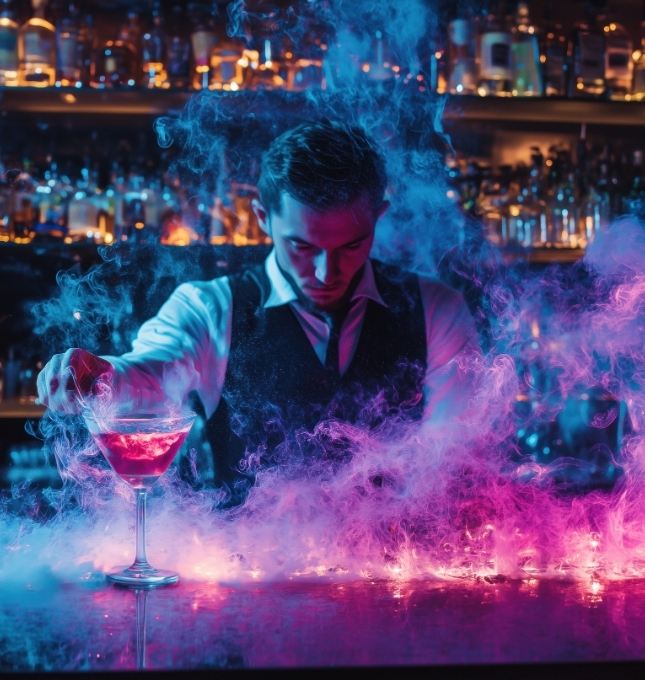
Understanding that sequence requires examining the alcohol industry as a hospitality operation, not simply taking note of the number of drinks consumed after an incident.
A Receipt Records a Sale not a customer’s condition
Records from the point of sale will reveal the date and time transactions occurred, which drinks were purchased and the amount put on a bill.
But, receipts generally will not show how a client was acting at the time drinking was offered. It’s not always clear who consumed each beverage and whether or not drinks were shared, or what a bartender observed.
An experienced Expert Witness can help attorneys interpret these records alongside surveillance footage, employee statements, and other available evidence. The aim is to reconstruct the sequence of service without believing that each purchase is the whole story.
What are the things employees can observe in the real world?
In a lot of disputes regarding alcohol services, the main issue is whether staff was able to establish that a client was drunk. These could be evidence of impaired coordination, unusual speaking or speech patterns, difficulties maintaining equilibrium or any noticeable changes in behavior.
These indicators need context. Just a single moment captured in surveillance footage could be unrelated to alcohol. Investigators should look at the camera’s angle, quality of the recording employees’ position and if a particular behavior was apparent to employees.
Preston Rideout has experience as a nightclub manager as well as bar manager director of operations for bars, and bartender. His experience in operations helps him connect recorded evidence to the duties and limitations of those who work in hectic hospitality establishments.
Written Training Doesn’t Always Describe Real Practice
In the majority of investigations involving alcohol there are questions posed about the employee’s training. Did there exist any training programs for the server-sellers? Was the establishment able instruct its employees on how to identify intoxication? Management has explained to employees the procedure to deny service?
The answers to these questions could be in the training certificates However, they’re not sufficient.
A facility may maintain specific policies without consistently implementing them. On the other hand, employees may have followed recognized service practices even when the eventual outcome was tragic.
A thorough operational audit will consider documents for training, testimony from employees, management oversight, and the actions that were documented during the incident. It is essential for attorneys representing the plaintiffs and defense to discern between the existence of a policy and the implementation of it.
Timeline often reveals important information
Consider a patron who receives drinks from a variety of bartenders throughout an event that is crowded. The bartender who was first on the scene may have noticed the normal behaviour. A second bartender may serve another drink following an alteration in shift. A manager might have intervened.
It’s possible to make these choices appear to be a single continuous act of service without reconstructing the timeline. If you are reviewing transaction logs and staffing plans, as well as incidents and surveillance footage it is helpful to know who was aware of what, and the time. It’s better to find gaps in the footage or records rather than rely on speculation.
The issues surrounding legal liability and industrial practice are two different issues.
Professionals from the hospitality industry can explain and evaluate if a venue follows the established operating guidelines.
The court is still the duty of determining liability for legal reasons. The laws for alcohol-related shops vary from state to state as do the conditions within which they may be legally sued.
Rideout Hospitality Consulting supports plaintiff and defense lawyers throughout the world by conducting case review operations analysis, depositions, written opinions, and trial testimony. Its work addresses alcohol-service decisions staff training, management techniques, and other pertinent hospitality operations.
The most robust analysis explains what the evidence does not show
The severity of an alcohol-related accident cannot determine all previous facts.
The attorney should be aware of the information available to him in the case, their limitations, and the expectations of employees in the circumstances.
An in-depth analysis of hospitality will discern between documented and assumed behaviours and explain how the practices of the establishment are aligned or deviated from accepted standards. This distinction can help courts assess the events that actually occurred instead of relying on what was discovered in the aftermath.