
If you’ve ever been required to undergo an MRI scan, CT scan or X-ray by your doctor, you might be wondering the reason this particular test was suggested. Each takes photographs of the inside of the body. So why aren’t they interchangeable, then?
Diagnostic imaging today is more of the toolbox. Each technology produces information differently and the right method depends on the part of the body and the question that is being addressed. In the Wolfsburg Diagnostics center there are a variety of imaging technology is available to meet different medical needs.
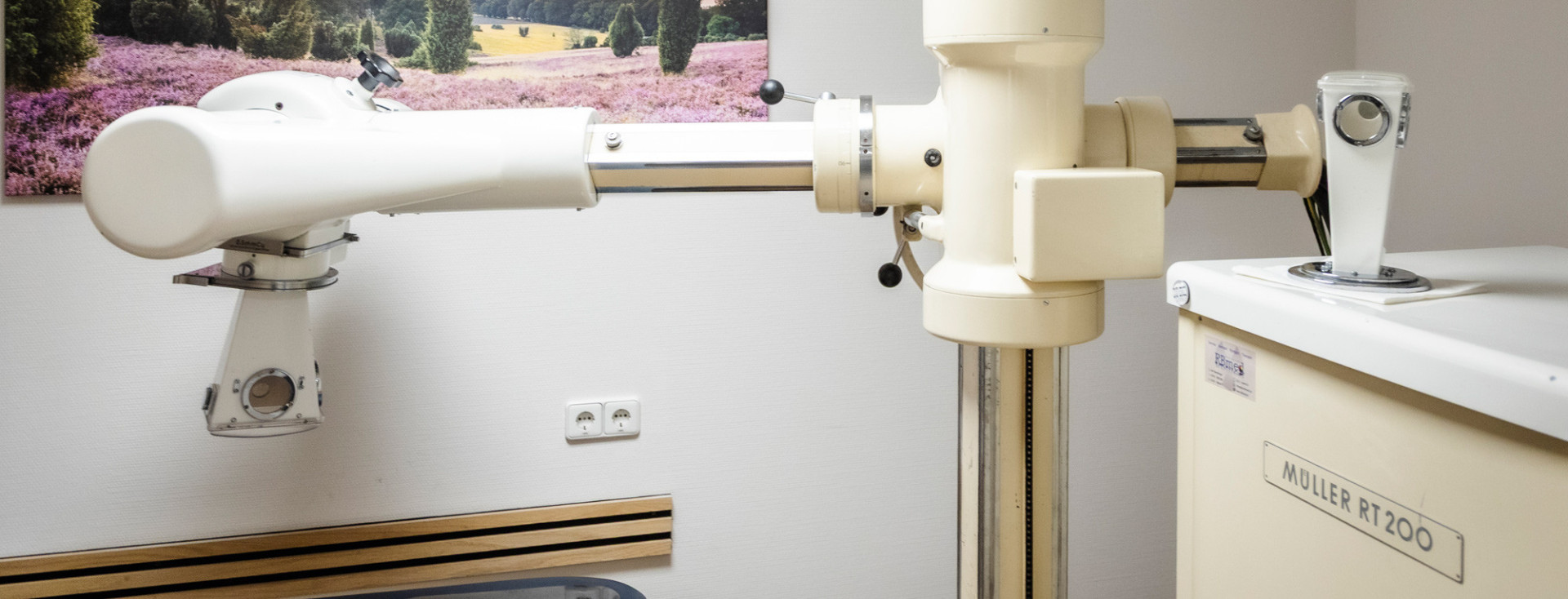
Image credit: diagnostikzentrum-wolfsburg.de
MRI Examines the body without radiation.
Magnetic resonance imaging (MRI) employs radiofrequency as well as magnetic fields to create high-quality images. It does not use the ionizing radiation. MRI can be used to visualize soft tissue organs, joints, and various internal structures. For example patients with an issue with their joints might require information not accessible from an X-ray.
The Wolfsburg Diagnostic Center provides prostate MRI and full-body MRI tests. These applications take advantage of MRI’s capability to create precise images without subjecting patients to radiation ionizing.
CT creates detailed Cross-Sectional Views
CT approaches imaging in a different way. CT uses X Rays together with computer-generated processing to produce a cross-sectional image of the body to produce high-quality images. Instead of producing a single traditional image, CT allows internal anatomy to be observed by cutting slices, providing doctors with a different method of examining certain medical questions. For more information, click here röntgenreizbestrahlung in der nähe
The center utilizes modern, low-dose CT techniques that are designed to reduce radiation exposure as well as obtain required diagnostic information. CT imaging can be used to aid in treatment. Periradicular therapy, also known as PRT is a method of using CT guidance for targeted injections for nerve irritations.
The Familiar X-Ray Still serves an important job
The usage of traditional radiography isn’t a flimsy idea. Digital X-ray diagnostics is the most efficient and speedy method to get images, which can be helpful for all kinds of tests. Digital systems that are modern also require less radiation than older techniques.
Sometimes, the most sophisticated test doesn’t always mean the most effective one. It is important to choose a device which is most effective in answering clinical questions than the newest devices.
Breast Imaging Has Its Own Particularized Technology
Mammography is a screening tool specifically designed for breast cancer. Wolfsburg Diagnostic Center offers 3D mammography in addition traditional mammography. It’s also referred to as tomosynthesis. This technology can produce multiple images. They are then reconfigured to provide a more detailed image of the breast tissue. Specialized imaging matters because different areas of the body have different challenges to diagnose.
An image that is new is able to be improved by using an old one
A scan today can provide important details about your body. A previous examination can sometimes add something equally valuable: A comparison.
If medical professionals have earlier pictures and findings that they have, they might be better able to observe the progress over time rather instead of interpreting the exam as a whole. Patients are advised to bring previous imaging and medical findings to appointments.
It is best for patients to understand the technology as soon as they are able to use it.
The Wolfsburg Diagnostic Center is a combination of MRI and CT with digital radiographs, 3D mammography, and image-guided treatment. The focus is on communication with patients and the organization of.
Patients receive clear explanations of their examinations. Additionally, educational videos provide further information on the medical procedure. A planned schedule, quick waiting periods and a focused method are all part of the center’s philosophy. Modern diagnostic medicine is dependent on sophisticated equipment. However it shouldn’t seem like a complicated procedure that isn’t described.
Understanding the objective of the particular examination and what they can expect will allow patients to be more informed. It is also possible the latest medical technology easier to understand.