
Improved medical imaging is usually thought of as having more detailed images. In reality, good radiology is more purposeful than the other. It’s crucial to inquire if an examination gives the right information in a given medical condition.
If a patient needs to be evaluated for breast or prostate problem the diagnostic tests are different. Modern radiology tackles these distinctions through a range of imaging techniques instead of using a single scanner in each scenario.
Consultations with a private doctor in the Wolfsburg Diagnostic Center give patients access to many imaging-guided and diagnostic radiology services at one location.
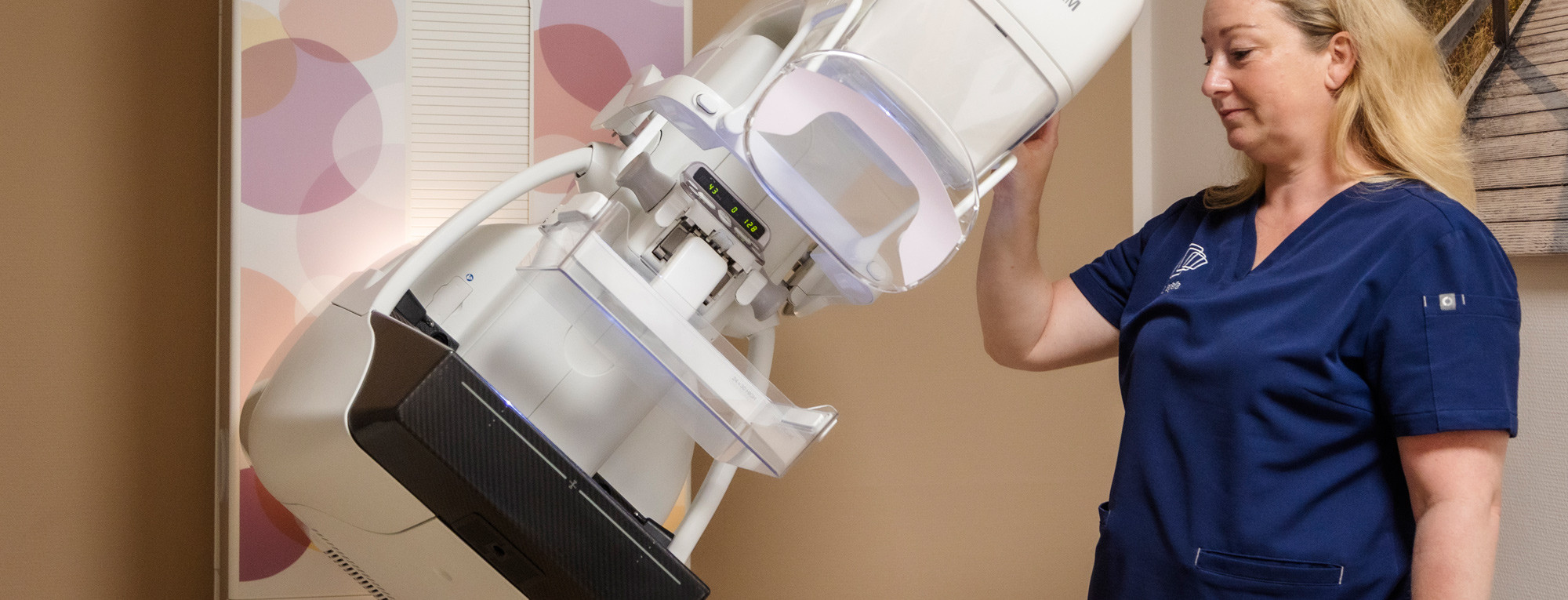
Image credit: diagnostikzentrum-wolfsburg.de
Different parts of the body Show Theirself Differently
Organs, joints, bones, and soft tissues do not all appear the same way with each imaging technique.
Magnetic resonance imaging may be especially helpful when a clear analysis of the soft tissue structure is needed. The Wolfsburg Diagnostic Center uses two 1.5 Tesla MRIs to examine the spines, brain, joints, internal organs, and soft tissues.
MRI is not a method of X-rays. If medically required it is possible to offer more specific examinations such as prostate MRI or whole-body MRI.
The expression “MRI” refers to a term used to describe a method that refers to the use of this technology. However, the medical question will determine how it will be used.
CT offers a different perspective
In diagnostic medicine, CT has a unique role. CT uses X Rays to produce precise cross-sectional body pictures. At the Wolfsburg Diagnostic Center Exams are conducted with low-dose technology that is designed to reduce radiation exposure while maintaining the quality of the images required for evaluating.
The individual clinical situation will determine the most appropriate imaging technique. It’s not essential that a more advanced sounding image implies it is superior.
Digital Xrays are still relevant
MRI, CT and other imaging technologies are receiving much more attention. This can make conventional imaging techniques like X-rays appear outdated. The digital X ray of today tells an entirely different story.
Digital systems remain a reliable way to examine the skeletal system. High-resolution imaging can be combined with radiation-safe techniques within modern equipment.
The most recent technologies are not simply replacing older methods however, they are broadening the options for radiologist.
Breast Imaging shows the benefits of a Focused Approach
Breast diagnostics is yet another instance of an image that is specialized. The center offers mammography, which includes 3D mammography and tomosynthesis, as well as breast ultrasonography. These technologies provide different forms of information about imaging and can be utilized based on the individual medical needs of each patient.
The field of radiology is not a lone exception. To be able to use imaging efficiently, you need to first understand what needs investigation.
Sometimes Imaging Helps Guide Treatment
Radiology doesn’t stop at identifying or observing abnormalities. The Wolfsburg Diagnostic Center performs CT guided periradicular treatments (PRT) where CT images provide guidance during the procedure. Another option is radiotherapy with low doses.
These examples illustrate how imaging technology can extend beyond observation and can play a part in guiding precise medical treatment.
Answering the question in a targeted manner with precision
A modern diagnostic centre is not just based on its number of machines. The value of a diagnostic center is also in applying appropriate technology to an identified medical need and having experienced specialists interpret the resulting images. To learn more CT Wolfsburg
Patients have access to specialist care and a wide range of radiological examinations during private consultation hours.
The aim isn’t to simply produce more images. It’s to produce clinically valuable information that will aid physicians and patients in better understanding the medical problems being examined.