
Marketing personalization has gone beyond simply adding a person’s name to an email subject. The modern consumer expects brands to know their preferences, values, and motivations before any message ever gets to them. As attention spans diminish and the amount of ad fatigue grows, relevance is the most important factor for performance.
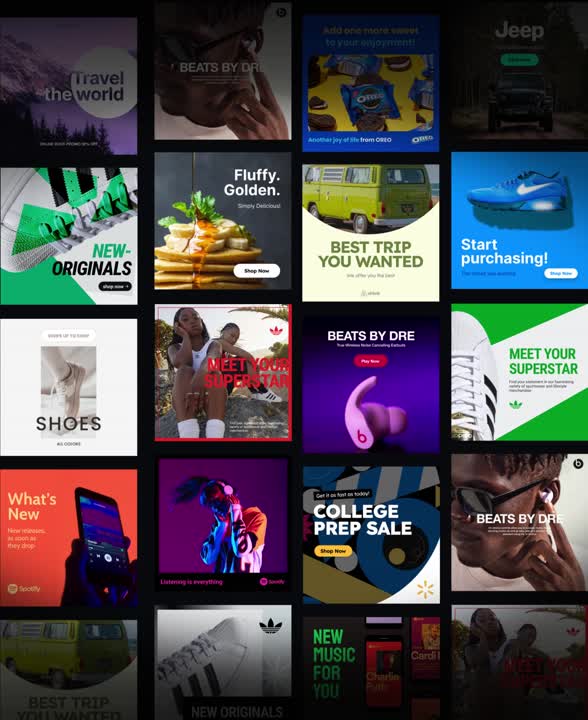
Most personalization efforts still rely on static information. While past behavior, demographics, and basic interests can provide a glimpse however, they’re never enough to justify why someone doesn’t respond to or ignore a message. The current Marketing AI starts to shape the business by bridging the gap between human and data understanding.
When Audience Research Becomes A Conversation
Imagine being able to instantly engage with a large audience like you would with a real focus group. You could pose questions, evaluate ideas, and tweak your message. Elaris is the first to make this change by transforming audience analysis and segmentation into a more interactive experience where marketers can engage directly with models of the audience that are psychologically based instead of guessing from reports.
Instead of relying on static personas that represent various groups, marketers need to analyze how they think, the factors that drive their decisions, and what messages are most relevant. This type of method converts the research of audience members into a continuous feedback cycle that is used to inform every stage of the campaign.
How AI can help improve marketing Strategic Decision Making
Marketing AI isn’t only about speed, it’s as well about clarity. When artificial intelligence is based on the basis of behavioral science and psychographic data, it provides insight that goes deeper than performance metrics. It assists marketers to understand value perception, risk tolerance as well as emotional drivers.
This knowledge allows teams to make better decisions at the beginning of the process. Instead of launching a campaign and adjusting later, marketers can validate positioning, tone, and creativity before spending money on advertisements. The result is fewer revisions, better alignment, and more assured execution.
AI Ad Generator Thinks like Your Target Audience
The AI-powered ad generator will be more effective when it can comprehend the audience and not just patterns. Utilizing psychological profiles instead of generic templates advertising content is created with intent matching messages to understand how particular viewers use information and make decisions.
This approach changes how Ad creative is created. Marketers can create less ads that resonate more, rather than creating dozens of variations, hoping that one will work. Headlines and messaging form, emotional framing and calls to actions are all influenced more by the mindset of the audience than assumptions.
Ad Creative Based on Psychology and not guesswork
Ad innovative and effective creativity doesn’t shout, it just speaks louder. It is natural when creativity is in sync with audience’s internal motivations. Creativity that is driven by psychology decreases friction, improves trust and directly affects conversion rates.
Marketing AI lets brands keep an unchanging message while adjusting it to various segments of the audience. This allows for individualization while preserving brand identity. The human-centric nature of creativity is more consistent across all channels regardless of whether the objective is to raise awareness, increase engagement, or conversion.
Scaling Marketing Personalization for Personalization of Marketing without Permitting Quality
Scale has always been a major hurdle for personalization within marketing. Content crafted for a variety of audiences is often rushed into implementation or even diluted messages. AI allows for personalization on a scale, but without compromising quality or quality.
With audiences that are psychologically organized and intelligent automated processes, marketers can create high-quality content in a shorter timeframe while still ensuring every message is in line with the real-world perspective of a human. Personalization can be sustainable and isn’t too overwhelming.
The Future of Marketing Is Human-Centered AI
Marketing will be defined through better understanding and not by more information. Marketing personalization powered by intelligent psychology-driven AI allows brands to move from just focusing on people to actually connecting with them.
As marketing AI continues to evolve, the most successful brands will be those that treat technology as a bridge to human insight using AI Ad generators and behavioral intelligence to create ad creative that feels thoughtful, relevant, and unmistakably human.