
A receipt at an eatery shows a patron ordering several alcoholic beverages. This customer was involved in a fatal car crash a few hours after the incident. If an attorney is investigating possible liability for dram shops the receipt is crucial. However, it’s not a sure way to determine whether the restaurant served a clearly drunk person or if the employees failed to comply with the appropriate procedure. What transpired between drink orders may be more telling.
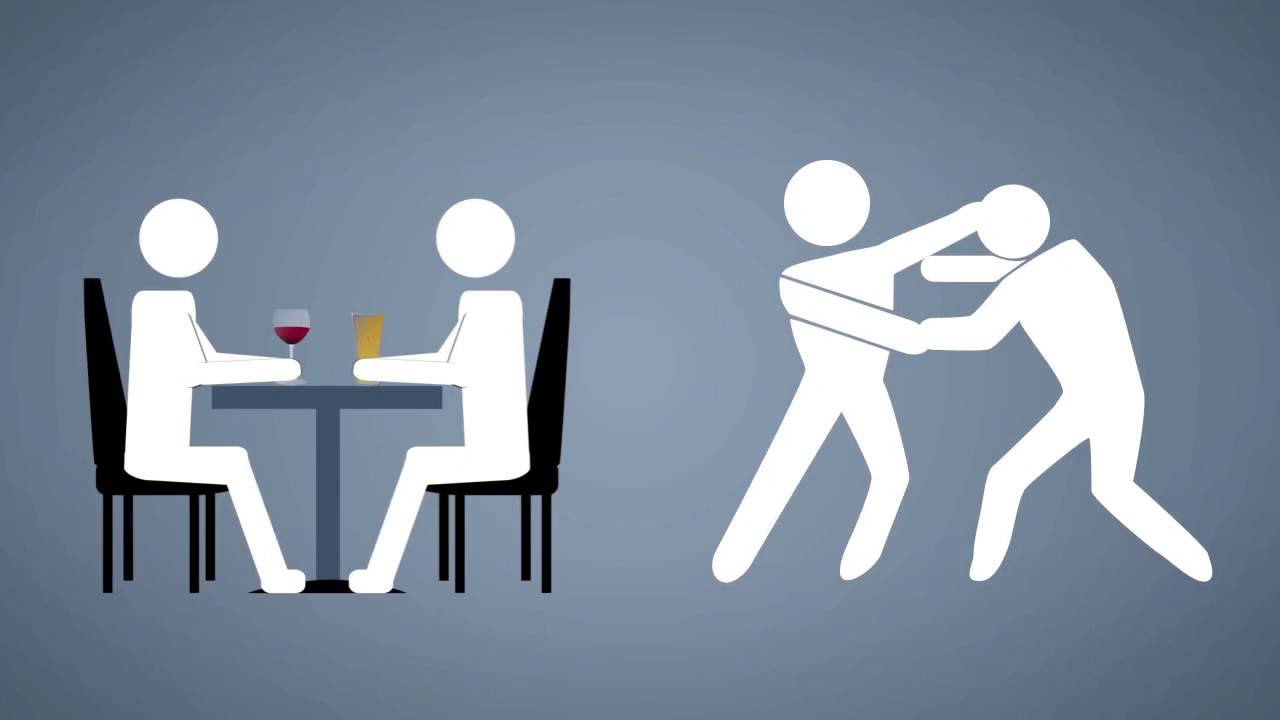
To understand the process, it is necessary to examine the alcohol service as a part of a genuine hospitality program. You cannot simply count drinks after an incident.
Receipts record a sale not a customer’s condition
The record at the point of sale can be used to determine the date the transaction took place, what beverages were purchased and how charges are assigned to a tab.
A receipt is not able to reveal the behavior of a person when they were served an alcohol drink. It’s sometimes difficult to determine who consumed the drink, particularly if they were shared, or what the bartender observed.
A professional witness can aid attorneys in interpreting these documents in conjunction with interviews with employees and surveillance footage. The aim is to reconstruct the sequence of service and not assume that every purchase tells the whole story.
What Could Employees Actually Observe?
A key issue in many alcohol-related disputes is whether employees could have a reason to believe the patron was intoxicated. Relevant observations might include impaired coordination, speech that is unusual difficulties, balance issues or observable changes in behavior.
These indicators need the context of. Even a single act captured in surveillance footage might have a reason that isn’t related to alcohol. Investigators also need to consider the quality of the footage position of the employee and camera angles.
Preston Rideout brings experience as a bartender, bar manager, nightclub general manager, and director of bar operations to these evaluations. His background in operations helps him link documented evidence with the obligations of staff members in hectic hospitality establishments.
Written Training Doesn’t Always Describe Real Practice
In all alcohol-related investigation there are questions posed about the preparation of the employee. Does the establishment provide server-seller training to its employees? Did the establishment provide training to employees to identify signs of intoxication? Did management explain to employees the process to deny service?
Although these questions are crucial to the Responsible Alcohol Service, examining just training certificates might not be enough to answer them.
The venue may have policies in place but fail to implement them consistently. In contrast an employee might be following the standards of service, even if it was not a good thing.
An operational review will look at the training materials, employee testimonials as well as management oversight and the actions that were recorded during the incident. It is important for both the defense and plaintiffs to differentiate between the existence of a policy and its application.
Timeline often sheds light on important questions
Think about a person who has received drinks from a variety of bartenders throughout a crowded evening. It’s possible that the first employee observed normal manner of conduct. A second bartender might have served a second drink after a shift change. A manager could have intervened later.
These decisions can appear as a continuous service when the timeline isn’t reconstitued. By examining all the relevant information including transaction logs and staffing plans as well as surveillance footage and incident report together can reveal who was in charge and when. It’s better to find missing footage or incomplete reports than relying on speculation.
Industry Practice and Legal Liability are Different Concerns
Hospitality experts can explain recognized operating practices and evaluate whether the conduct of a place was in line with these practices.
The court remains in task of determining whether a person is legally responsible. There are distinct laws in each state concerning the legal liability of alcohol retailers.
Rideout Hospitality Consulting provides support to lawyers representing plaintiffs and defense in the United States of America through review of cases, operational analysis as well as written opinions depositions, trial testimony and other types of evidence. Its work addresses alcohol-service decisions staff training, management methods, and other pertinent hospitality operations.
The most rigorous analyses are able to explain what the evidence doesn’t show
Instances involving alcohol can have grave consequences, but the severity can’t be assessed by all the facts.
The attorney must understand the records available along with their limitations, as well as the expectations of employees in the conditions.
A hospitality analysis is a method of determining whether a venue’s practices discern assumptions from actions documented and to determine if the venue’s procedures were in line with accepted standards or not. That distinction helps courts evaluate what actually happened instead of relying only on what was discovered afterward.