
A cryptocurrency wallet shows an amount of USDT 1,000. On the screen, the balance appears to be simple: one thousand dollars in digital form. This balance brings up an interesting question. What’s the value of those tokens, which is roughly $1 each?
Contrary to traditional bank accounts an account with a stablecoin balance is digital tokens created through an entirely separate financial arrangement. To understand the stabilization arrangement it is essential to consider the cryptocurrency’s prices beyond and look at issues like reserve, issuer cryptocurrency, blockchain technology, and the redemption.
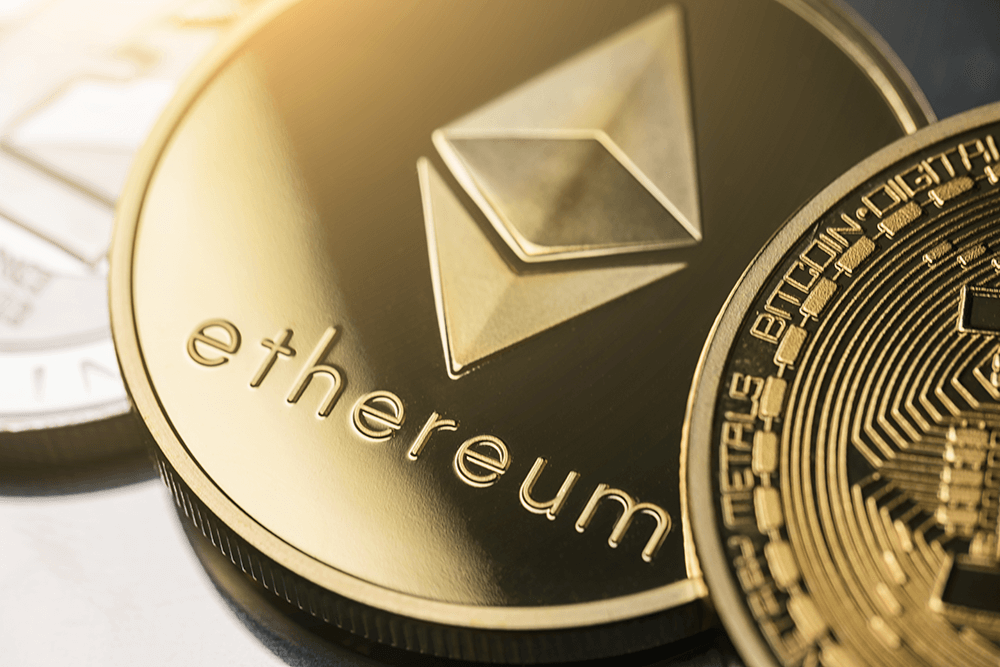
The Blockchain only shows tokens and not the entire financial picture
The tether stablecoin , commonly known as USDT, is designed to maintain a value close to the U.S. dollar. Tether issues tokens and claims that its circulating supply is supported by reserves. However, just the records of blockchain can’t determine the totality or financial condition of those reserves.
Public ledgers are a way to document certain contract-related activities, token transfers, and balances of circulating. In general, it cannot confirm assets not held within traditional financial instruments, or bank accounts.
This distinction is critical when it comes to evaluating the integrity of stablecoins. In order to make an effective reserve analysis, it is important to take into account the disclosures made by the issuer in addition to the assets being disclosed as well as their liquidity and the type of independent verification.
Ethereum Makes Token Activity Visible
USDT runs on Ethereum through an ERC-20 intelligent contract. It records token transfers and keeps balances in line with the rules that it has coded. Due to Ethereum being a blockchain that is public, users can access transaction history and contract activities through block explorers that work with Ethereum.
The system’s transparency allows tokens to move between addresses. The ability to look at a transaction does not reveal the nature of the wallet or the motive behind the transfer.
Ethereum is also compatible with applications for financial decentralization that use stablecoins as a method of lending, trading and other activities. Those applications present additional risk, including smart contract vulnerabilities and liquidity problems.
What is the reason Stablecoins Can Trade Above and Below the One Dollar
USDT has the dollar peg however its exchange rate is decided according to the market’s activity. During ordinary trading, buyers and sellers are able to change USDT at prices slightly above or below one dollar.
Demand for liquidity in the market, available liquidity exchange conditions, demand for liquidity, and confidence in redemption arrangements are able to affect these variations.
Exchange tokens for the underlying currency by eligible customers with access to redemption facilities may accommodate pegs, subject to any applicable fees and requirements.
However, not all holders of retail can redeem their USDT directly. Many users buy and sell USDT via cryptocurrency exchanges in which the prices reflect market liquidity. It is a sign that a stablecoin’s expected value is tied to its actual prices for trading however they aren’t identical.
The Issuer is a powerful person.
There is a common misconception that each asset running on a decentralized blockchain has to in turn be decentralized. Ethereum is maintained by a distributed network however USDT is issued by a central entity.
Its issuer oversees the key aspects of token issue as well as redemption and administrative capabilities in token contracts.
Tether as an example can also block certain addresses in specific circumstances. These characteristics distinguish centrally-issued stablecoins from cryptocurrency that have no similar issuer. Understanding this distinction helps users to understand that blockchain decentralization does not mean that it eliminates issuer-related risks.
Independent Research Helps Separate Facts from claims
A reliable crypto-wiki should be capable of distinguishing between blockchain transactions that are publicly verified as well as financial disclosures provided by issuers, and conclusive conclusions backed up by independent proof.
History is also important. Tether was subjected to regulatory scrutiny for earlier reserve claims, which included a settlement in 2021 with the U.S. Commodity Futures Trading Commission. This context helps to explain the reason why transparency, accountability, and stablecoins are still important topics for research.
TetherWiki serves as an unofficial Encyclopedia that covers USDT as well as other stablecoins. It also covers cryptocurrency exchanges, blockchain networks, and regulatory developments. The website is independent of Tether Limited and serves as an additional resource for people who are researching the stabilitycoin ecosystem.
Understanding USDT is much more than its price
Stablecoins combine different methods: Blockchain technology tokens along with financial reserves and trading markets.
Each system has its own solution to the issue of how an asset works. Ethereum lets you know the truth about token transactions. Reserve disclosures offer information about the backing claimed by the reserve. Exchanges disclose market prices as well as liquidity.
The sources listed here do not give the entire truth. If you are interested in researching USDT the best approach is to examine the technology and the financial structure together. It’s easy to state that a token is equivalent to one dollar, but to know the real reason behind the value you need to go further than just checking your wallet.