
A successful garden doesn’t always begin with costly equipment or a well laid out property. It is more likely that it starts with the sowing of a few seedlings, watching the results and making better decisions for the following season.
The informational resources of Sproutstead are designed to be practical. It was created to help people plant food, improve soil quality, save harvests and learn techniques for self-sufficiency and not get overwhelmed by technical terms.
Your Garden Has Its Own Set of Conditions
The reality that gardens aren’t interchangeable is among the reasons that gardening tips can be confusing. A tomato that is grown in a sun-filled raised garden in one part of the country could behave differently than one grown in a heavy soil, and have shorter growing season in another.
Successful gardening and homesteading therefore involves more than following instructions. Gardeners gain knowledge of their personal conditions, including sun soil structure, soil structure temperatures, the growing season, available space, and how much time they are able to devote to maintaining.
The Sproutstead discusses these aspects for readers to adapt the gardening skills they have learned to their home, rather than attempting to duplicate the ideal set-up.
Under the surface, vegetable gardening begins
The plants which are easily visible attract attention However, a significant amount of success in a garden can be determined by what’s underneath.
A balanced soil is important for drainage, moisture retention, and the absorption of nutrients. Composting can help improve soil over time, and mulching can conserve moisture and suppress the development of unwanted weeds. Making sure to pay attention to these basics can make vegetable gardening easier because healthy growing conditions offer plants a stronger foundation from the beginning.
It is also essential to plan. The effectiveness of a gardener’s utilization of limited space can be determined by the spacing between plants, the timing for planting crops, the plant’s companion and the seasonal succession.
Tomatillos Teach Us To Pay Attention
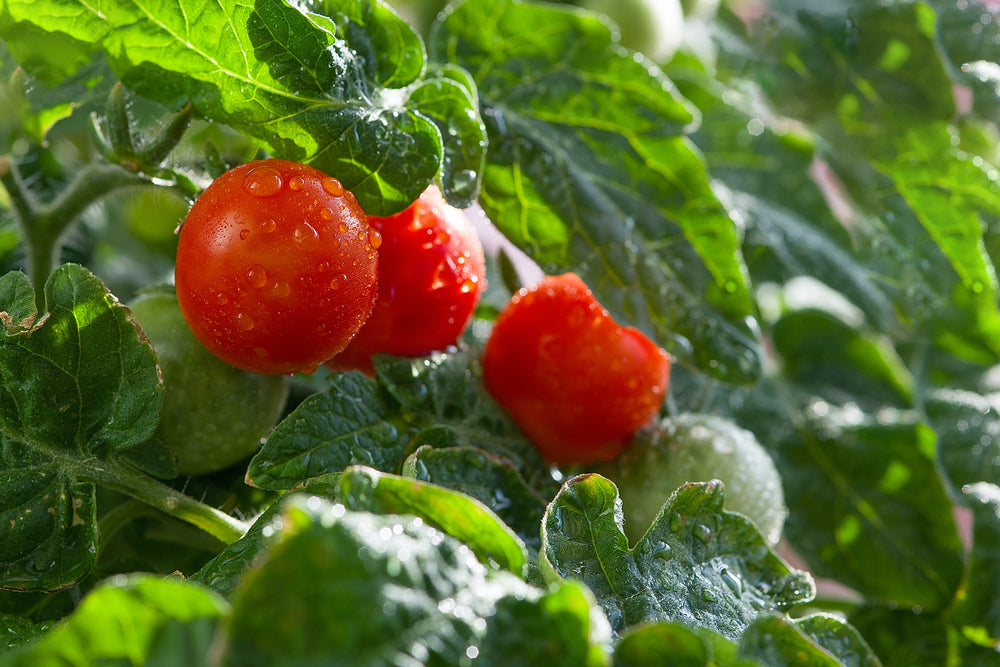
If you ask 10 gardeners about tomatoes, and you’ll probably hear about ten different tales. The most well-known of home crops, tomatoes also demonstrate the effects of different climates.
When researching tomato growing it is important to think beyond the depth of planting and fertilizer schedules. The tomatoes require sufficient sunlight, consistent watering an appropriate soil, a proper spacing and a steady supply of support as they mature. Variety selection matters as well due to the conditions of growth, available space, and the intended usage can affect the kind of tomato that makes sense.
It is not likely to solve the problem by increasing the amount of fertilizer. The problem could be caused by excessive nitrogen, extreme temperatures, inadequate sunlight, or pollination problems. It is better than treating just one indication.
The Harvest is Only Part of the Story
If half of the vegetables go to waste before being eaten this makes the effort of growing 20 pounds of vegetables seem less efficient. When harvesting, a careful approach to home-growing will consider the whole process.
Canning and freezing, dehydrating, sharing produce that is surplus and conserving seeds are all ways to aid families in getting the most out of their gardens. Backyard chickens can be integrated with herbs, fruit trees and composting to form a system for the household.
Nobody needs to adopt every homesteading practice at once. The process of learning how to grow lettuce successfully making a compost pile more productive or preserving the initial harvest of tomatoes that you have grown yourself can be considered a meaningful step forward.
The power of knowledge is in the hands of information: better Gardeners are created by using the right information.
It’s not possible to guarantee perfect plants with the most beneficial gardening advice. As the weather changes, pests emerge often, seeds can fail and the recommendations differ by region.
The Sproutstead sees these challenges as more of a part of learning than an exception. By linking topics such as soil and seeds, vegetables, pesticides, preservatives and backyard chickens, or self-sufficiency with other topics, such as preservation backyard poultry, self sufficiency, readers will eventually learn how to plant gardens.
The same principles can be applied to creating a more productive garden at home, gradually, season-by-season and with a solid foundation.